
Explore Greece tours with expert local guides, immersive history, island hopping, and tailored itineraries for every travel style.
There’s a reason Greece keeps pulling travelers back. One trip might show us ancient temples glowing in late-afternoon light. The next might bring a fishing village taverna, a mountain monastery, or a ferry ride toward a whitewashed island.
Few places pack so much variety into one country. That’s exactly why Greece tours are such a smart way to see it in 2026.
For international travelers, the hard part usually isn’t whether Greece is worth visiting. It’s choosing the right kind of trip, because Greece tours come in so many shapes.
Should we focus on the mainland’s ruins and myths? Build an island-hopping route through the Cyclades? Go private for flexibility, or join a guided group for ease and local insight?
At My Greece Tours, the focus is on immersive, well-organized journeys shaped by local knowledge. That matters in Greece, because the best moments often happen between the big sights. We might share lunch in a village square, drive a backroad to Mystras, or chat with a guide who grew up here.
Why Greece Tours Appeal To Every Type Of Traveler
Greece works for a wide range of travelers because it never offers just one kind of trip. We can spend the morning at the Acropolis and the afternoon swimming in the Aegean.
In the evening, we can eat grilled octopus in a harbor town. That mix of history, scenery, and daily life is hard to beat.
For history fans, Greece tours make the ancient world feel real. Athens, Delphi, Knossos, Epidaurus, and Mystras aren’t just names from textbooks. They’re places we can walk through with a guide who connects the ruins to real stories.
For cultural explorers, Greece tours go beyond monuments. Local markets, Orthodox traditions, regional food, village festivals, and family-run wineries add texture that independent travelers sometimes miss. For more ideas, explore Tours In Greece.
Greece tours also simplify a country that looks easy on the map but can be tricky in real life. Ferry times change with the season. Distances on mountain roads take longer than expected.
Ancient sites often make more sense with some context. A good guided route takes away that friction.
Families often like tours for several generations that mix easy sightseeing with beach time. Solo travelers tend to enjoy small-group trips, where they can meet people without worrying about logistics.
Active travelers can pick hiking, kayaking, or cycling routes. Luxury travelers can choose private transfers, boutique stays, and a more tailored pace. Whatever the style, Greece tours can be shaped to fit it.
That’s the real appeal. Greece tours let us enjoy a complex, layered country in a way that matches how we like to travel.
See more tours:
- Tours In Greece: Authentic Small-Group And Private Experiences
- Tours Greece: The Ultimate Guide
- Top Hiking Trails In Greece
- Top Beaches in Greece: The Ultimate Guide To Sun, Sand, And Sea
- Island Hopping Tips In Greece
- Hidden Gems In Crete
- Greek History You Should Know
- Greece Walking Tours: The Ultimate Guide To Exploring On Foot
- Greece Tours From Athens
- Greece Tour Operators
- Greece Private Tours: The Ultimate Guide To Personalized Travel
- Essential Greek Phrases for Travelers
- Best Time To Visit Greece: When To Go For Weather, Crowds, And Authentic Experiences
- Greece Boat Tours: A Practical Guide For Athens And Attica Visitors
- Greece Group Tours: A Complete Guide For Organizers
- Greece Historical Tours: A Practical Guide To Must-See Sites And Planning
- Greece Island Tours: A Practical Guide From Athens


The Main Types Of Greece Tours To Consider
Not all Greece tours are built around the same idea. Some focus on speed and major landmarks. Others are slower, more immersive, and designed around food, local culture, or outdoor adventure. Before booking, it helps to know the main kinds of Greece tours and what each one does best.
Escorted Group Tours Vs Private Custom Tours
Escorted group tours are usually the easiest way in. They follow a set plan and cover the big logistics. That gives us the structure many travelers want in a country with ferries, regional flights, and timed site entries.
They’re often best for solo travelers, first-time visitors, and anyone who likes a social mood. Group sizes vary a lot, but smaller groups usually give a better experience than buses packed to the limit. A group of 8 to 20 can still feel personal, while 40 feels more conventional.
Private custom tours cost more, but they open up a different kind of trip. We can slow down in places we love and skip stops that don’t interest us. We can build the days around food or archaeology.
We can add a Peloponnese detour, or spend more time on one island instead of racing through three. For couples, families, and travelers with special interests, that flexibility can be worth every extra euro.
With a good operator, the difference between Greece tours isn’t just price. It’s pace, personal touches, and how well the route reflects our interests.


Island-Hopping, Mainland, And Themed Cultural Itineraries
Island-hopping Greece tours are what many travelers picture first. Think ferries, sea views, cliffside villages, and a route linking places like Santorini, Mykonos, Crete, Naxos, or Milos.
These trips are ideal if we want a mix of scenery, swimming, nightlife, and relaxed exploring. But they also need smart planning. Travel days can eat up time if the route isn’t set up well.
Mainland Greece tours are often richer for travelers focused on history and landscape. A route through Athens, Delphi, Meteora, Nafplio, Olympia, or the Mani gives us deep history and mountain scenery. It also gives a stronger sense of regional Greece. It’s less postcard-perfect than the islands, maybe, but often more surprising.
Themed cultural Greece tours go even further. They might focus on ancient history, Byzantine heritage, Greek cooking, wine, hiking, or local crafts.
We might spend a day in an olive grove, join a cooking lesson in Crete, or taste Assyrtiko in Santorini. We might also explore monastery traditions in Meteora. If we want Greece to feel personal rather than generic, a themed tour is often the best choice.
The Best Places To Include On A Greece Tour
The best route depends on what we want most. That could be iconic ruins, dramatic islands, slower village life, or a little of everything. In practice, the strongest Greece tours combine one or two major headline places with spots that feel more local and less rushed.


Athens, Delphi, Meteora, And The Mainland Classics
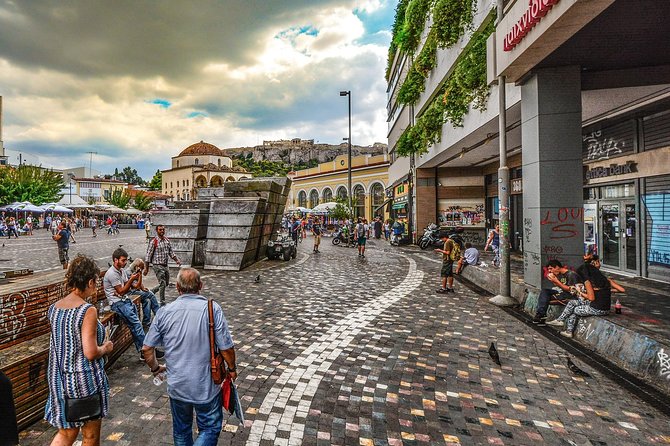
Athens deserves more time on Greece tours than many travelers give it. Yes, the Acropolis and Parthenon are essential. So is the Acropolis Museum.
But the city works best when we also explore its neighborhoods. Try Plaka in the early morning, Psyrri at night, the central market, and a rooftop dinner with the lit-up hill in view. Athens isn’t just a stopover. It’s the key that unlocks the rest of Greek history.
Delphi is one of the most rewarding sites in the country. It sits on the slopes of Mount Parnassus and mixes myth, politics, religion, and a landscape that still feels powerful. With a strong guide, the sanctuary of Apollo becomes far more than ruined columns.
Meteora offers something completely different. The monasteries perched on tall rock pillars feel almost impossible, even when we know the photos. It’s one of those places that truly beats expectations.
Good Greece tours leave time not just for monastery visits but also for viewpoints and local food. They also help us understand the spiritual life that shaped the region.
Other mainland classics can make a trip stronger. Nafplio brings elegance and easy walking. Olympia has athletic history, and Epidaurus is known for its theater and acoustics. Thermopylae carries a legendary legacy, and the Peloponnese offers layered history with fewer crowds.
Santorini, Crete, Mykonos, And Lesser-Known Islands
Santorini is famous for a reason. The caldera views are extraordinary, and the cliffside villages look like movie sets. A hike from Fira to Oia still ranks among the most memorable walks in the Aegean.
But Santorini works best when handled with care. A tour should help us avoid the busiest hours and add time beyond the obvious viewpoints. Ideally, it adds wineries, local food, or a sailing trip.
Crete is almost a country of its own. It can carry an entire trip. Knossos offers Minoan history, Chania has Venetian charm, and mountain villages hold on to tradition.
Beaches give us downtime, and gorges like Samaria suit active travelers. If we want depth, not just beauty, Crete is one of the best choices in Greece.
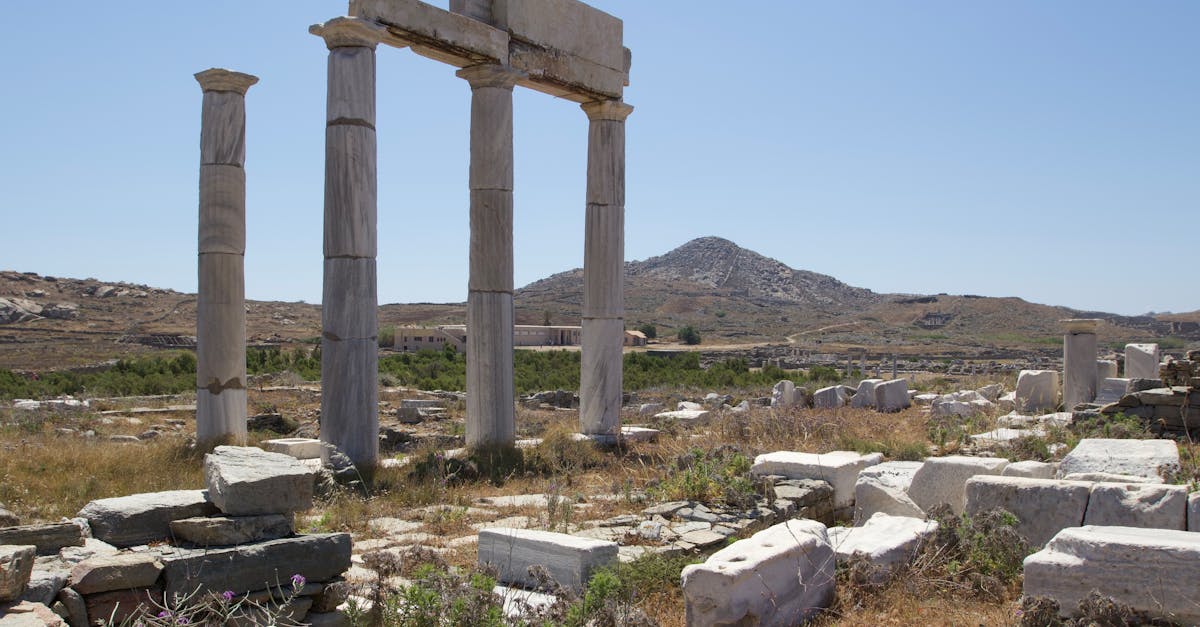
Mykonos tends to divide opinion. Still, it makes sense for travelers who want polished beach clubs, stylish hotels, nightlife, and easy access to Delos. Delos is one of Greece’s most important archaeological islands. The smartest Greece tours use Mykonos as more than a party stop.
Then come the islands we often suggest to travelers who want authenticity. Naxos offers beaches, mountain villages, and excellent food. Syros has urban elegance and a lived-in local feel.
Tinos blends pilgrimage traditions, marble craftsmanship, and quieter Cycladic charm. Milos stands out for surreal coastal scenery and swimming spots like Kleftiko. These islands may not rule social media the way Santorini does, but they often give people the memories they keep longest.


How To Choose The Right Greece Tour For Your Travel Style
Choosing the right Greece tour starts with honesty. It’s not about budget first, actually. It’s about how we like to travel when we’re at our best.
Do we enjoy moving every two days, or does that leave us tired? Do we want expert explanations at historical sites, or more free time to wander? Does group chat give us energy, or do we prefer privacy?
Activity level matters more than many people expect. Some Greece tours look relaxed on paper but include many stairs, uneven ground at ancient sites, steep village lanes, and ferry transfers. Others are truly easy-going. We should read past the headline and ask practical questions.
Then there’s trip focus. History lovers should put mainland routes first, such as Athens, Delphi, Meteora, the Peloponnese, and Crete. Island hoppers may prefer a Cyclades route with built-in downtime. Food-driven travelers should look for cultural tours with tastings, cooking classes, markets, and village meals, not just scenic stops.
Group size changes the whole feel of a tour. Small groups usually move faster, hear guides better, and reach places large coaches can’t.
Private tours suit travelers who want control over pace and interests. Families often do well on tours that adapt the rhythm, meal timing, and attention span.
We also suggest looking at who is actually guiding the trip. In Greece, a knowledgeable local guide can transform a visit.
They explain why one region’s olive oil tastes different from another. They show how island life shifts in winter, and what a ruin meant beyond its dates and stones. That local layer is where the real value lives.
For travelers planning through My Greece Tours, tailored plans and local expertise are built into the experience, not added as an afterthought. That usually leads to Greece tours that feel less packaged, more grounded, and far more memorable.
When To Visit Greece For The Best Tour Experience
For most travelers, the best times for Greece tours are spring and fall. That means April through June and September through October.
The weather is pleasant, the light is beautiful, and major sites are easier to enjoy without peak-summer crowds. This is the sweet spot if we want a balanced mix of sightseeing, walking, and island time.
Spring has a special freshness. Wildflowers appear across the mainland, and temperatures stay comfortable for touring ancient sites. Hiking routes in places like Crete or Meteora feel far more manageable than in midsummer.
The sea can still be cool early in the season. By late May and June, swimming becomes much more appealing.
Fall is arguably the best overall season for many visitors. The sea stays warm from summer, crowds begin to ease, and the pace on the islands softens. September is especially strong for island-hopping Greece tours. October works well for mainland cultural routes and city breaks in Athens.
July and August bring energy, long daylight hours, and a classic holiday mood. They also mean higher prices, busier ferries, stronger winds on some islands, and serious heat at open sites. If we travel then, we’ll want very early starts, carefully paced days, and places to stay booked well in advance.
Winter can be excellent for Athens and some mainland places, though it isn’t ideal for a classic island circuit. Some tourist services scale back a lot. So the right season depends on which of the Greece tours we want, not just the list of places.
What To Expect From A Well-Planned Guided Tour In Greece
A well-planned guided tour in Greece should do more than move us from site to site. It should give the trip shape, rhythm, and context. The best Greece tours balance headline landmarks with quieter moments, so the trip never feels like a checklist.
That starts with logistics. Transfers should be smooth, ferry choices sensible, hotel locations practical, and site visits timed to dodge the worst crowds when possible. In a country where one badly planned connection can cost half a day, this matters a lot.
We should also expect expert local explanation. A great guide doesn’t recite facts nonstop. They make places easy to understand.
They connect mythology to politics, explain regional identities, and show how ancient, Byzantine, and modern Greece overlap in daily life. Suddenly a monastery, a market, or a ruined theater means more.
The strongest Greece tours also include immersive local experiences. That might be an olive oil tasting in the Peloponnese or a walk through Chania with food stops. It might be a village lunch in the mountains.
It might also be a visit to an artisan workshop on Tinos or a sunset sail near Milos. These moments often become the emotional center of the trip.
Pacing matters too. Good Greece tours leave room to breathe. That could be a free afternoon in Nafplio, a slow dinner by the sea, or time to swim and simply look around.
We don’t remember only the major monuments. We remember how the trip felt.
That’s what a strong guided tour delivers. It gives us not just efficiency but a fuller version of Greece: historical, local, scenic, and human all at once.
If we choose carefully, Greece in 2026 can be more than a vacation. It can feel like stepping into a place that still carries its past vividly and welcomes us into its present.
Key Takeaways
- Greece tours offer a unique blend of ancient history, stunning island scenery, and authentic local culture that appeals to all types of travelers.
- Choosing between escorted group tours and private custom tours depends on personal preferences for flexibility, social interaction, and itinerary personalization.
- Island-hopping tours highlight scenic Cyclades islands, while mainland tours focus on rich archaeological and regional experiences; themed cultural tours add depth with unique local activities.
- The best Greece tours combine iconic sites like Athens, Delphi, Meteora, and Santorini with less crowded, authentic locations for a balanced and memorable journey.
- Spring and fall are optimal seasons for Greece tours, providing pleasant weather, manageable crowds, and ideal conditions for sightseeing and swimming.
- Well-planned guided tours emphasize smooth logistics, expert local guides, immersive experiences, and balanced pacing to create a fully engaging Greece travel experience.
Frequently Asked Questions About Greece Tours
What makes Greece tours appealing to different types of travelers?
Greece tours attract many kinds of travelers by combining ancient history, stunning islands, cultural immersion, and flexible formats. They suit families, solo travelers, adventurers, and luxury seekers. One trip can blend iconic ruins, local life, and relaxing beach time.
How do escorted group tours differ from private custom tours in Greece?
Escorted group tours follow set plans, which makes them ideal for first-timers and solo travelers who want structure and company. Private custom tours offer more freedom. Travelers can tailor routes, pace, and activities to personal interests, which is perfect for families and anyone wanting a personal experience.
Which are the best destinations to include on a Greece tour?
Top places include Athens for history and culture, and Delphi and Meteora for ancient and spiritual sites. Islands like Santorini bring caldera views, Crete brings depth and tradition, and Mykonos brings nightlife. Naxos and Milos are authentic gems for quieter local experiences on Greece tours.
When is the best time to visit Greece for tours?
The best times for Greece tours are spring (April to June) and fall (September to October). The weather is mild, crowds are smaller, and sightseeing or island-hopping is more comfortable. Summer can be hot and busy, while winter suits some mainland sites but limits island activities.
What should I expect from a well-planned guided tour in Greece?
A quality guided tour balances major landmarks with immersive local experiences. Expect smooth logistics like ferry transfers and expert local guides who give rich context. Good pacing leaves time for sightseeing, relaxation, and real moments like food tastings or artisan visits.
How can I choose the right Greece tour based on my travel style?
Think about your preferred activity level, group size, and interests. History lovers may focus on mainland routes, while island hoppers may prefer the Cyclades. Small groups offer a closer feel and flexibility, while private tours suit those who want control over pace and personal touches.
How much do Greece tours cost in total?
Most Greece tours cost between about €70 and €800 per person per day. The price depends on the comfort level you choose. Flights are almost always extra, and prices change by season.
The three budget levels
It helps to think of Greece tours in three levels. The budget level runs from about €70 to €130 per person per day. That buys simple rooms, public transport or a basic group tour, and meals at local tavernas.
The mid-range level runs from about €150 to €300 per day. You get three- or four-star hotels, a small-group guide, most entrance fees, and some meals. Luxury runs from about €350 to €800 or more per day, with private guides, drivers, and boutique stays.
What moves the price up or down
Five things change the total the most. They are the season, the hotel class, the group size, the number of ferries, and the meals that are included. Change one of them and the price can shift a lot.
The guide matters too, because a licensed expert guide costs more than a driver who only points out the sights. This guide to choosing the right Greek tour explains how to weigh these choices.
How to read a quoted price
Most quotes show a price per person, based on two people sharing a room, so solo travelers may pay more. Check whether the price is per person, per room, or for the whole group before you compare Greece tours.
Check the date too, because a May departure can cost far less than the same tour in August. Prices also move when fuel, hotel, and ferry costs change.
A simple way to plan your money
Pick your level first, then multiply by the number of days, and add flights, travel insurance, and spending money on top. These budget tips for Greece visitors show where to trim costs without losing the best parts of a trip.
All figures in this article are rough ranges, not quotes. Ask each operator for a written price before you decide on Greece tours.
Which places give the best value on Greece tours?
Mainland sites and smaller islands usually give the best value. Santorini and Mykonos cost the most. Many Greece tours mix one famous island with cheaper stops.
Mainland places with big history and fair prices
- Athens: the Acropolis, museums, and food markets, with many free sights in walking distance
- Delphi: a mountain sanctuary that works well as a day trip from Athens at a modest price
- Meteora: cliff-top monasteries where entry costs only a few euros per monastery
- Olympia: the birthplace of the Olympic Games, easy to see in half a day
- Mycenae: a Bronze Age citadel that many tours pair with a nearby theater and a seaside town
The mainland is where Greece tours stretch your money the furthest. Hotels in mainland towns often cost less than island rooms, and many sights are close together.
Islands that cost less than the famous ones
- Naxos: the largest island in the Cyclades, with beaches, mountain villages, and lower prices than Santorini
- Paros: easy ferry links, pretty harbors, and a wide range of rooms
- Milos: unusual rock shapes and swimming coves, with boat trips that cost extra
- Syros: an elegant island capital and year-round local life, with fewer crowds
Prices on these islands are often lower than on Santorini or Mykonos, especially outside August. Rooms and meals still cost more in July and August everywhere.
Famous places that may be worth a splurge
- Crete: the biggest Greek island, with Knossos, Chania, and beaches; plan for a rental car or day tours
- Santorini: famous caldera views, but rooms and tours cost much more in summer
- Mykonos: beach clubs and nightlife, with Delos as a day trip by boat
You do not have to skip the famous places. Many travelers visit one big name, then spend the rest of the week on quieter islands.
A mix of both gives the best value. Try three days on the mainland, then two quieter islands, and one famous stop to finish the trip.


How many days of Greece tours does each budget level cover?
A fixed budget buys many more days at the budget level than at the luxury level. At €1,500 per person, you get about 12 to 20 budget days or only 2 to 4 luxury days. These numbers leave out flights and insurance.
The simple formula
Divide your total budget by the daily range of each level. Use the low end for a best case and the high end for a safe case. The result is a rough number of days, not a promise.
Subtract flights, insurance, and gifts first, since only the money left over counts for the days on the ground.
Example with €1,500 per person
At the budget level, €1,500 covers about 12 to 20 days. At the mid-range level, it covers about 5 to 10 days, and at the luxury level, about 2 to 4 days.
A mid-range week of Greece tours in the shoulder season often lands close to this amount. A sample 7-day Greece itinerary through Athens, Santorini, and Mykonos shows what that kind of week can include.
Example with €3,000 per person
With €3,000, the budget level stretches past three weeks. The mid-range level covers about 10 to 20 days, and the luxury level covers about 4 to 8 days.
This shows why a mix works well. You can spend a few luxury days on one special island and use budget days around it.
Ways to stretch your days
Travel in the shoulder season, visit fewer islands, and book early. Use a guided tour for the big sites and go on your own in quiet towns. A small change in plan can add a full day at no extra cost.
Ask about free days in the plan, since a free day lets you rest or save money without any tour fees. Many Greece tours leave one or two days open for this reason.
What is usually included in Greece tours?
Most Greece tours include hotels, a guide, and local transport on the route. Meals, tips, and flights are often extra. The exact list changes from one operator to the next.
What most prices cover
Almost all guided Greece tours include rooms with breakfast, a guide, and a vehicle for the main route. Many also include ferry tickets between islands and entrance fees to the main sites. Some add a welcome dinner or a cooking class.
Some plans include a few dinners at local tavernas. Half-board plans cover breakfast and dinner, but they can limit your freedom to try other places.
What is often left out
International flights, lunches, drinks, and personal spending are usually extra. Tips, travel insurance, and optional day trips often cost more too. Airport transfers may be included only if you arrive on the group start date.
Entrance fees are the item that changes the most. Some tours include them all, some include only the main site, and some leave them out. Ask for the list site by site before you book Greece tours.
Guides, groups, and vehicles
Ask who leads the trip and how large the group is. A licensed guide can give deep context at the major sites. A smaller group usually costs more per person but feels more personal.
Also ask how you travel. A minibus, a coach, and a private car all cost different amounts to run, and that shows up in the price.
Small print worth reading
Look for words like optional, subject to availability, and from prices. A low headline price may leave out the sites you most want to see. A fair operator lists every entrance fee in plain words.
Food can add up as well, but local dishes are cheap. Our guide to Greek food to try on tour explains what to order. A taverna meal often costs about €15 to €30 per person.
What hidden costs can add up on Greece tours?
Ferries, entrance fees, tips, hotel taxes, and airport transfers are the usual surprises. Together they can add a real chunk to your total. Planning for them early keeps Greece tours on budget.
Ferries and airport transfers
One ferry leg usually costs about €30 to €100 per person, depending on speed, route, and season. High-speed boats cost more than slow ones. Read this guide to ferry travel in Greece to understand tickets and ports.
A taxi from Athens airport to the center is a set fare of roughly €50 to €70. The metro or bus costs about €6 to €10 per person. These Greek ferry booking tips show how to find seats and prices.
Entrance fees and tickets
Big sites such as the Acropolis cost roughly €20 to €30 in busy months. Most other major sites cost about €10 to €20. Prices change, so check the official site before you book Greece tours.
A multi-site pass for the Acropolis and other sights can save money if you visit several places in a few days. Check that it matches your plan first.
Tips and hotel taxes
Tipping is not required in Greece, but it is common. Rounding up a bill or leaving 5 to 10 percent is typical at a taverna. On guided trips, many travelers tip guides and drivers a few euros per person per day.
Hotels also add a small overnight fee per room, usually about €1 to €10, based on star rating and season. Some tour prices include it, and some do not.
Small extras that add up
Short boat trips, such as the ride from Mykonos to Delos, often cost extra, and so do sunbeds, luggage storage, and parking. Each item is small, but a week of them can add up to €100 or more.
Good operators list these extras before you pay. Ask for the full list for your Greece tours, and keep a small cash buffer.
Are private Greece tours worth the extra money?
Private Greece tours cost more per person, but they can be worth it for couples, families, and special interests. Group tours cost less and suit most first-time visitors. The right choice depends on your time and budget.
How group pricing works
On a group tour, the cost of the guide and the vehicle is shared. A group of 12 to 16 people splits those costs many ways, so each person pays less. Group Greece tours also tend to include set hotels and meals, which keeps the price easy to compare.
Big coach tours cost the least per person, but you share the day with 30 to 50 people. Small groups cost more, yet they move faster and fit into narrow village streets.
How private pricing works
On a private tour, you pay for the guide and the driver yourself. For two people, that means a high cost per head. For four people, the same car and guide cost each person much less.
A private day on Santorini is a good example. This page on private tours and day excursions on Santorini shows what you get.
Semi-private options in the middle
Some operators offer small-group trips with four to eight people. These cost more than large groups but less than a fully private tour. They suit friends and families who want some flexibility.
Ask whether the tour is guaranteed to run, because a small group may depart only when enough people book.
When the extra money pays off
Private trips pay off when you want a slow pace, a special topic, or a family-friendly schedule. A private guide can also beat the crowds with early starts. Before you book, read whether an Acropolis guided tour is worth it for your style of travel.
How can shoulder-season travel make Greece tours cheaper?
The shoulder season runs from about April to early June and from September to October. Hotels, ferries, and many tours cost less then. Greece tours in these months are also cooler and less crowded.
Which months cost less
July and August are the most expensive months almost everywhere. Prices in May, June, September, and October can be 20 to 40 percent lower for rooms and some tours. Winter is cheapest, but many island services close.
Use this guide to the best time to visit Athens to match the month to your plan.
What you give up
Some island boats run less often, and a few beach clubs and tours open late or close early. The sea is cooler in April and May, and October also brings fewer hours of daylight.
For most travelers, these small trade-offs are worth the lower prices on Greece tours. You also get shorter lines at the big sites.
Shoulder season by region
Athens is pleasant in spring and fall, with fewer crowds at the Acropolis early in the day. Meteora is lovely in spring, when the hills are green. This guide to the best time to visit Meteora explains the seasons there.
On the islands, swimming is best from late May to early October. Some small islands close many shops and tavernas by late October.
Smart timing tricks
Book early for the months you want, since early booking often gives lower prices and better rooms. Check seasonal events in Greece as well, because festivals can raise room prices for a few nights.
Flexible dates help the most. Moving a trip by just one week can drop the price of a room or a ferry seat. Ask the operator which weeks cost the least for your Greece tours.
Which free and low-cost sights can you add to Greece tours?
Many of the best sights in Greece cost little or nothing. Hills, parks, beaches, and village squares are free. Adding them to Greece tours lowers your daily spending.
Free and cheap sights in Athens
Athens has many free views and walks. You can climb Filopappou Hill, wander through Plaka, and watch the Sunday changing of the guard at Syntagma Square. See this list of free attractions in Athens for more ideas.
Many state museums and sites are also free on the first Sunday of each month in winter. Dates and rules change, so check them before you go.
Sunsets, beaches, and hikes
Sunsets cost nothing, and Greece has many great spots to add to your Greece tours. Check the best sunset spots in Greece for ideas.
Most public beaches are free, though sunbeds and umbrellas can cost about €10 to €40 per set in busy places. Coastal paths and hill walks are free too.
Villages and local life
Walking through a village, drinking a coffee in a square, and visiting a small church cost very little. Our guide to traditional Greek villages to visit lists places where life moves slowly. A coffee often costs about €3 to €4, and a gyros wrap about €3 to €5.
Local festivals, church fairs, and harvest events can be free or cheap, and they show daily life that no ticket can buy.
Cheap food that tastes great
Street food is one of the best bargains in Greece. A bakery pie or a sesame bread ring often costs about €1 to €3. This Athens street food guide shows what to try.
Local markets and bakeries are also excellent for picnic lunches. One cheap meal a day can save you a lot over a week of Greece tours.
How should you pay for Greece tours and handle deposits?
Most operators ask for a deposit when you book and the rest weeks before you travel. Always read the cancellation terms before you pay. These rules matter as much as the price of Greece tours.
Deposits and final payments
A deposit is often around 10 to 30 percent of the tour price. The balance is usually due 30 to 60 days before departure, but terms differ, so ask for the payment schedule in writing.
Paying by credit card can give extra protection in some countries, so check your card rules before you pay a large deposit.
Cancellation and change rules
Look for the date when free cancellation ends, because after that, fees usually rise in steps until the trip starts. Ask what happens if the operator cancels, or if a storm or strike changes the route.
Some operators offer a flexible plan that costs a little more but allows free changes. That can be worth it if your dates may move.
Insurance and package protection
Travel insurance for Greece tours can cover some of these risks, but read what it excludes before you buy it. Ask when the policy must be bought to cover cancellation.
In many countries, a trip sold as one package has legal protection, so ask what protects your deposit if the company fails.
Cards, cash, and safety
Cards work in most hotels, shops, and restaurants in cities. Small tavernas, village shops, and some boats prefer cash. If a card machine offers to charge you in your home currency, choose euros instead.
For more on staying safe with money and belongings, see these safety tips for Greece tourists.
How do you compare two quotes for Greece tours fairly?
Put both quotes side by side and compare the same items. Then work out the price per person per day. This simple step keeps Greece tours comparisons honest.
Line up the inclusions
Check the hotel class and area, meals, entrance fees, ferry class, and transfers. A very low quote may leave out fees that the other quote includes. Write each item in a small table and mark what is missing.
Do the same for flights, since some quotes include flights from your home city and some start in Athens. Mixing the two makes one of the Greece tours look much cheaper than it is.
Check group size, guide, and pace
Ask how many people are on the tour and which language the guide speaks. A licensed guide with deep local knowledge adds real value. Count the hotel changes too.
Fewer hotel moves on Greece tours usually mean less stress and more time at each place. Small groups also reach places that big coaches cannot.
Work out the true daily cost
Add the extras to each quote: tips, taxes, meals, and optional trips, then divide by the number of days. A tour that looks cheaper by €100 may cost more once you add what it leaves out.
Use this guide to choosing the right itinerary on escorted tours as a checklist when you compare.
Check reviews and ask questions
Read recent reviews from travelers who took the same route. Look for comments about guides, hotels, and hidden costs, and be careful with reviews that sound too perfect or too angry.
Then ask each operator a few direct questions. Ask for a day-by-day plan and a list of what is not included. A good operator answers clearly and in writing.
Do multi-day Greece tours cost less than day trips?
Day trips cost less up front, while multi-day tours bundle hotels and transport. Multi-day Greece tours often give better value if you want to see several regions. The right choice depends on your days.
What day trips from Athens cost
Many guided day trips from Athens cost roughly €50 to €150 per person. Delphi, Meteora, Cape Sounion, and boat cruises are common choices. A half-day sunset trip to Cape Sounion is one of the cheaper options.
Meteora day trips from Athens are long, with several hours on the road each way. They still give a lot for the price.
Prices depend on group size and on whether lunch and entry fees are included. Ask which items are covered before you compare.
What multi-day tours cost
Short mainland tours of three to four days often cost roughly €400 to €900 per person with hotels and a guide. A tour such as this four-day journey into ancient Greece from Athens shows what a short package can cover.
Longer tours cost more in total, though the daily price can drop. Divide the price by the days to compare Greece tours of different lengths.
Your time is part of the price
An inexpensive day trip that needs ten hours on a bus costs your time too. A multi-day plan with an overnight near the site gives more hours at the sights. Think about what a free hour is worth to you when you choose Greece tours.
Overnight stops near Delphi or Meteora cut the driving and give you early light and quiet hours at the sites.
Which one suits you
If you only have two or three days in Athens, day trips are easy and flexible. If you have a week or more, a multi-day tour saves planning time and hotel hunting. Many travelers mix both, with a short tour in the middle of a longer stay.
Do island-hopping Greece tours cost more than mainland trips?
Island-hopping Greece tours often cost more than mainland trips. Ferries, extra hotel nights, and island prices add up. Smart planning can bring the cost down.
Why islands add cost
Each island means a ferry ticket, a hotel night, and a transfer to and from the port. Food and rooms can also cost more on small islands because goods arrive by boat. Santorini and Mykonos are among the priciest islands in the country.
Luggage can add a cost too. Some small boats and planes have weight limits, and extra bags may cost a fee. Packing light avoids this on island Greece tours.
How to keep it affordable
Visit fewer islands on your Greece tours and stay more nights on each. Two or three islands in a week feels calmer and costs less than four or five. Choose lesser-known islands such as Naxos or Paros for lower prices.
This guide to traveling between Greek islands by ferry and flight explains routes and smart combinations.
Flights or ferries between islands
A domestic flight from Athens to an island often costs roughly €50 to €150 each way, and cheap seats sell out. Ferries are slower but usually cheaper, and they carry more luggage.
Time is money too. A slow ferry can use half a day, which means one less day of sightseeing for the same hotel cost.
Boats, sailing, and cruises
Sailing trips can be good value when a group shares a boat. Day cruises often cost roughly €60 to €150 per person with lunch, while a week-long sailing trip costs far more.
Read sailing holidays in Greece explained to understand crew, food, and extra costs.
How can families, solo travelers, and older travelers save on Greece tours?
Each group has its own price traps and savings. Knowing them early can save real money on Greece tours. Ask operators about discounts before you book.
Families with children
Many ferries give young children free or half-price seats. Some sites give free or reduced entry to children, so carry ID. Family rooms on Greece tours often cost less than two separate rooms.
This family-friendly Greece travel guide has practical ideas for planning.
Solo travelers
Solo travelers often face a single supplement for a private room. Some operators match you with a roommate or waive the fee on certain dates. Sharing a room is the easiest way to save.
Small-group trips make solo travel social and easy. These solo travel tips for Greece explain more.
Older travelers and honeymooners
Travelers aged 60 and over often prefer slower tours with fewer hotel changes. Read this review of the best Greek island for over-50s to choose a good base.
Honeymoon Greece tours often cost more because of private transfers and sea-view rooms. This list of top Greek wedding destinations shows where to find them.
Groups of friends and extended family
Groups of six or more can often ask for a custom quote. A shared vehicle and guide spread the cost across more people. Some operators may also offer a discount for large parties.
Plan early, because rooms for big groups sell out first in busy months. Greece tours for groups work best when everyone agrees on pace and budget before booking.
Common questions about the cost of Greece tours
These answers cover the questions people ask most about price. All numbers are rough and change by season.
How much should I budget per day for Greece tours?
Plan on about €70 to €130 for a budget trip and €150 to €300 for mid-range. Luxury trips run from about €350 to €800 or more. Add flights, insurance, and spending money on top.
Are Greece tours cheaper in spring and autumn?
Yes, hotels and some tours often cost less in May, June, September, and October. The weather is also milder. Prices still rise around holidays and big festivals.
What is usually not included in the price of Greece tours?
Flights, most lunches and dinners, drinks, tips, and insurance are usually extra. Optional trips and hotel taxes can also cost more. Always check the written list of inclusions before you pay.
Is a private guide worth the extra cost?
It can be, if you want a slow pace, a special topic, or flexible days. For a first visit, a small group is often enough. Sharing a private guide with family or friends cuts the cost per person.
How big is the deposit for Greece tours?
A deposit is often around 10 to 30 percent of the price. The balance is usually due a month or two before you leave. Terms differ, so ask for them in writing.
Should I tip a guide on Greece tours?
Tips are not required, but many travelers leave a few euros per person per day for a good guide. Drivers usually get a little less. Ask the operator for their advice, since some include service in the price.